Challenge
Milton needed to integrate sustainability into their offering without compromising the identity, economics, or buildability of a Milton house.
Solution
Real-Time LCA integrates directly into their 3D software, giving sales teams and customers live visibility of CO₂e impact across material choices.
Result
Milton can document LCA compliance at the point of sale - and has opened a new, specific customer conversation around sustainable construction choices.
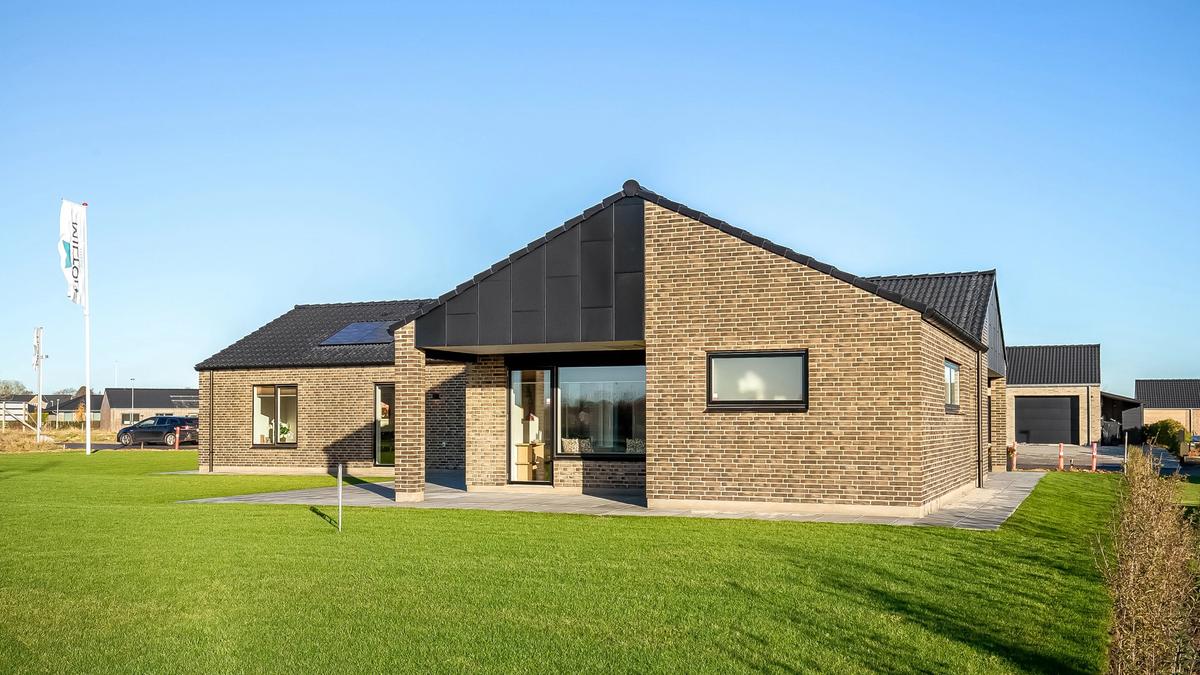
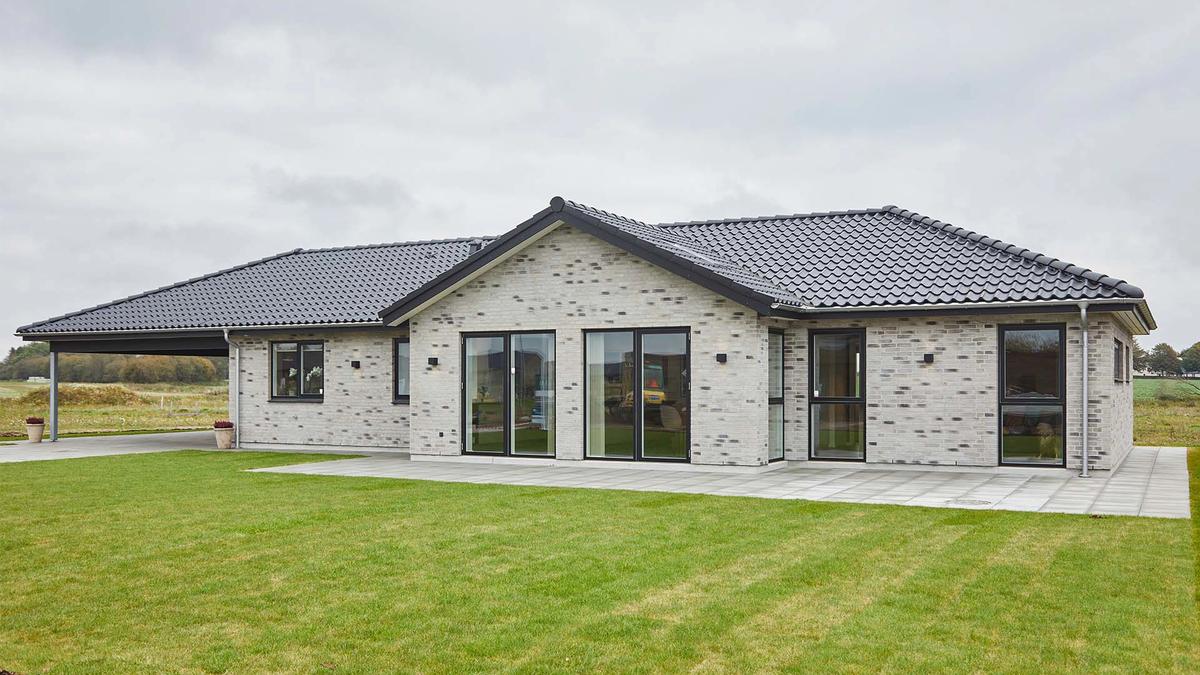
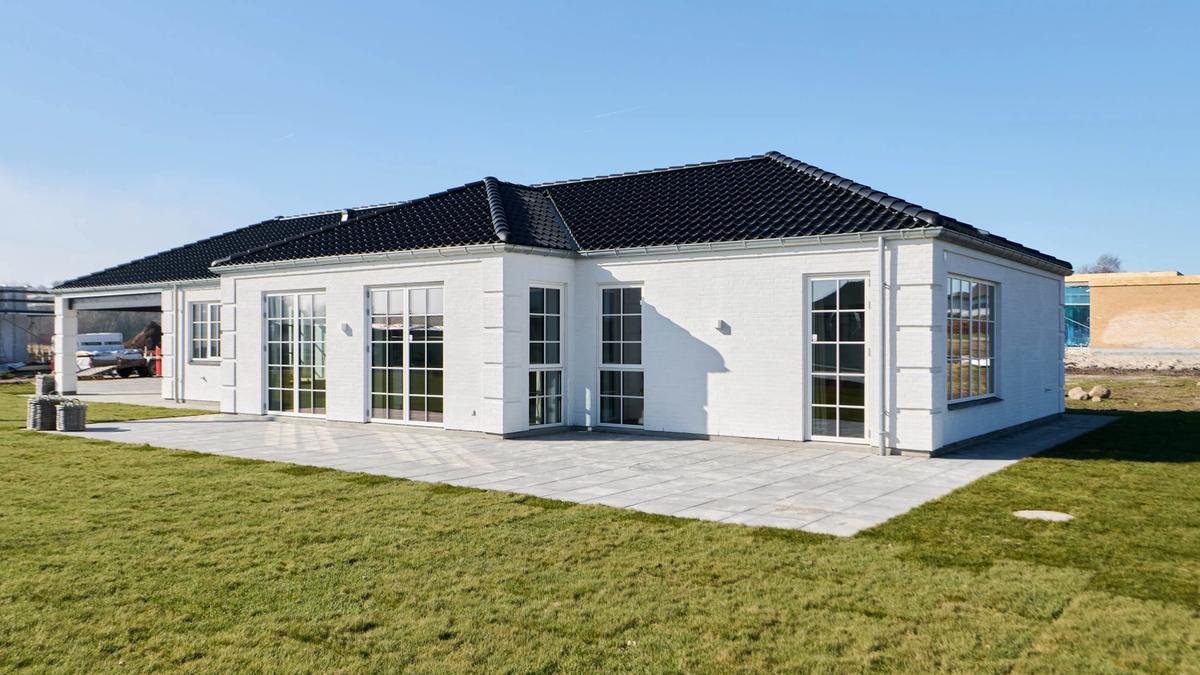
Milton Huse builds single-family homes with a clear brand promise: whatever choices a customer makes, the result should still feel like a Milton house.
As sustainability requirements tighten across Denmark, that promise needed to stretch further.

Sustainability that fits the build, not the other way around
For many house builders, new climate requirements have meant rethinking how they build from the ground up. Milton Huse took a different position: sustainability should adapt to how Milton builds, not the reverse. That meant finding tools and approaches that could be layered into existing practice - incrementally, deliberately, without disrupting what customers come to Milton for.
“Sustainability in construction can range from having minimal impact on our building practices to suddenly requiring major changes in the way we build. We want to stay ahead and are already thinking more sustainably. Even though we have started small, there are prospects for bigger changes - while keeping the economic, time-related, and architectural impact minimal. Milton must be able to build a Milton house, and that will always remain possible.” - Anders Salic Jensen, Milton Huse
That constraint - “Milton must be able to build a Milton house” - is not a reluctance to change. It is a commitment to making sustainability real and viable within an established product range, rather than theoretical and disruptive.
Climate data, live - inside the tools they already use
The value of Real-Time LCA for Milton is not just that it calculates CO₂e - it is that it connects directly to the 3D software their teams already work in, pulling in design data without requiring a separate workflow. Changes made in the model are reflected in the climate account, across departments, from the earliest design stage through to final handover. There is no parallel spreadsheet to maintain, no separate documentation phase to manage at the end of a project.
“The advantages of more modern LCA technologies give us the opportunity to be involved from start to finish. From the drawing board to the final handover of the house, we can manage and monitor the CO₂e footprint. We can already tell customers: “This is a house you can buy - it complies with LCA requirements.” This is very exciting and interesting for us.” - Anders Salic Jensen, Milton Huse
Being able to make that statement - clearly, at the point of sale, with data behind it - is not a small shift. It means compliance is confirmed before a contract is signed, not assembled after the fact.
Putting the choice in the customer’s hands
What this shift has enabled for Milton is not just compliance - it is a more honest sales conversation. Milton’s view is that sustainability ambition should be something customers choose, not something imposed on them. To make that possible, sales teams need to be able to present real options with real consequences.
“Are we just following regulations, or do we want to be a company that aims to be as sustainable as possible? We are probably somewhere in between - but customers should be the ones who decide what they prefer. It is therefore important to present the available options clearly, so that sales teams and customers can discuss real solutions for sustainable construction.” - Anders Salic Jensen, Milton Huse
That kind of conversation - grounded in actual material choices and their CO₂e impact - requires a foundation. For Milton, Real-Time LCA is that foundation.
“The foundation for this must be well established, and we have only been able to achieve that with a modern LCA tool.” - Anders Salic Jensen, Milton Huse
Results at a glance
- LCA compliance confirmed before sale - customers receive documented assurance at the point of purchase.
- CO₂e footprint tracked live from design through to handover, within existing 3D workflows.
- Cross-department teams work from the same climate data on a shared platform.
- Sales teams equipped to present specific, material-level sustainability options to customers - not generic claims.
- Sustainability integrated into the product range without compromising the Milton brand or build model.
- Foundation in place to make climate performance a sales argument as buyer awareness continues to grow.